As the November chill rolls into North London and the autumn damp sets in, musicians are packing up their gear and heading into the warmth of the studio. Whether you are trekking over from South London or walking down from Muswell Hill, that cold, misty air poses a hidden threat to your instruments before you even strike a single chord.
Sudden shifts in temperature and humidity can easily derail a recording session. If you want to make the most of your studio time this month, here are the essential gear-prep tips every musician needs to know to keep their instruments safe and sounding great.
1. Let Your Guitars Acclimate
Wooden instruments are highly sensitive to sudden changes in temperature. Taking an acoustic or electric guitar out of a freezing car boot or walking with it through the cold air, and then immediately opening the case in a warm, heated live room is a recipe for trouble.
The wood expands rapidly, which completely ruins your tuning stability and can even cause the finish to crack.
The Tip: When you arrive at the studio, leave your instrument inside its case or gig bag for at least 15 to 20 minutes. Letting it acclimate gradually to the room’s temperature ensures your neck relief stays true and your tuning remains stable during tracking.
2. Watch Out for Valve Amp Condensation
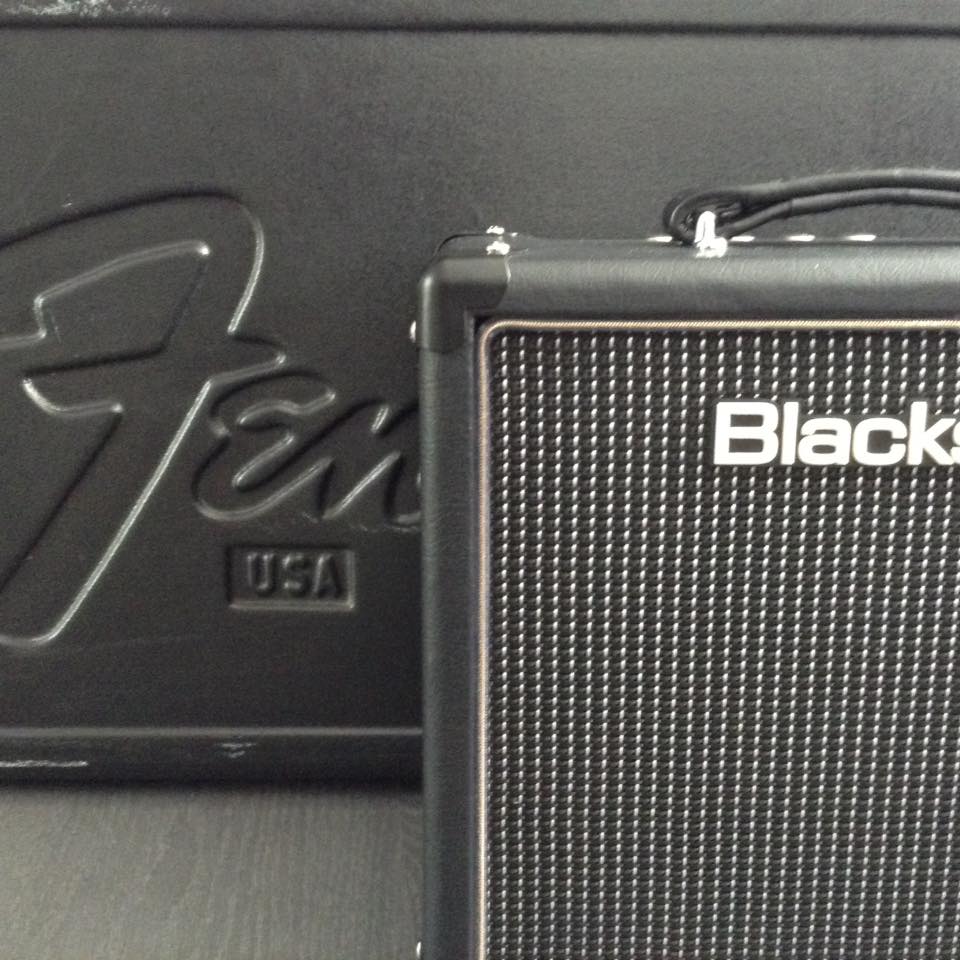
Valve amplifiers do not love the damp. If you are bringing your own tube head or combo into the studio, bringing it in from the cold can cause microscopic condensation to form on the cold glass valves and internal circuitry.
Powering up a damp valve amp can cause components to short circuit or dramatically shorten the lifespan of your tubes.
The Tip: Just like your guitars, give your amplifier time to reach room temperature before plugging it into the mains. Wipe down any visible moisture on the chassis, and always ensure the amp sits on standby for a few minutes to let the valves warm up gently before you start pushing the volume.
3. Check for Oxidised Cables and Scratchy Pots
Autumn humidity accelerates oxidation on metal contacts. If your gear has been sitting in a damp practice space or a cold spare room, you might notice an annoying crackle when you turn your guitar’s volume knob or a sudden loss of high frequencies from your cables.
Nothing kills the momentum of a great session faster than troubleshooting a buzz in the signal chain.
The Tip: Before you load up, spray a tiny amount of electronic contact cleaner (like DeoxIT) into your guitar’s potentiometers and work the knobs back and forth. Wipe down your cable jacks with a dry microfiber cloth to clear off any microscopic residue before plugging into the studio’s patch bays.
4. Pack the Right Cases
A flimsy canvas gig bag offers almost zero insulation against cold air and autumn rain. If you are transport-bound or walking to the studio this winter, investing in a proper hard case or a heavily padded, water-resistant gig bag is essential.
The Tip: Toss a couple of silica gel packets into your instrument case. They cost next to nothing and will actively pull any residual ambient moisture away from your instrument while you travel.
By taking just twenty minutes to prep and let your gear adjust when you arrive, you protect your prized instruments and ensure your session starts smoothly.